

How many people speak German worldwide?
Discover where and how many people speak German around the world, as well as the proportion of native speakers and learners.
When I started to take an interest in German, I was surprised by the number of people who speak this language around the world.
German in the World
German is one of the most spoken languages in Europe. It is estimated that there are over 90 million native German speakers. The countries where German is the official language include Germany, of course, but also Austria, part of Switzerland, Liechtenstein, Luxembourg, and part of Belgium.
- Germany: 83 million speakers
- Austria: 8 million speakers
- Switzerland: 4.5 million speakers
Native vs Learner Proportion
In addition to native speakers, many people are learning German as a foreign language. According to the Goethe-Institut, nearly 15.4 million people around the world are studying German, showing a significant interest in this language.
A Major European Language
German is the most spoken language in the European Union in terms of native speakers. It is also a very influential language in the fields of economy, science, and culture, making it valuable to learn.
Learn German with Discus
The application Discus offers tools to improve your German skills in an interactive and effective way.
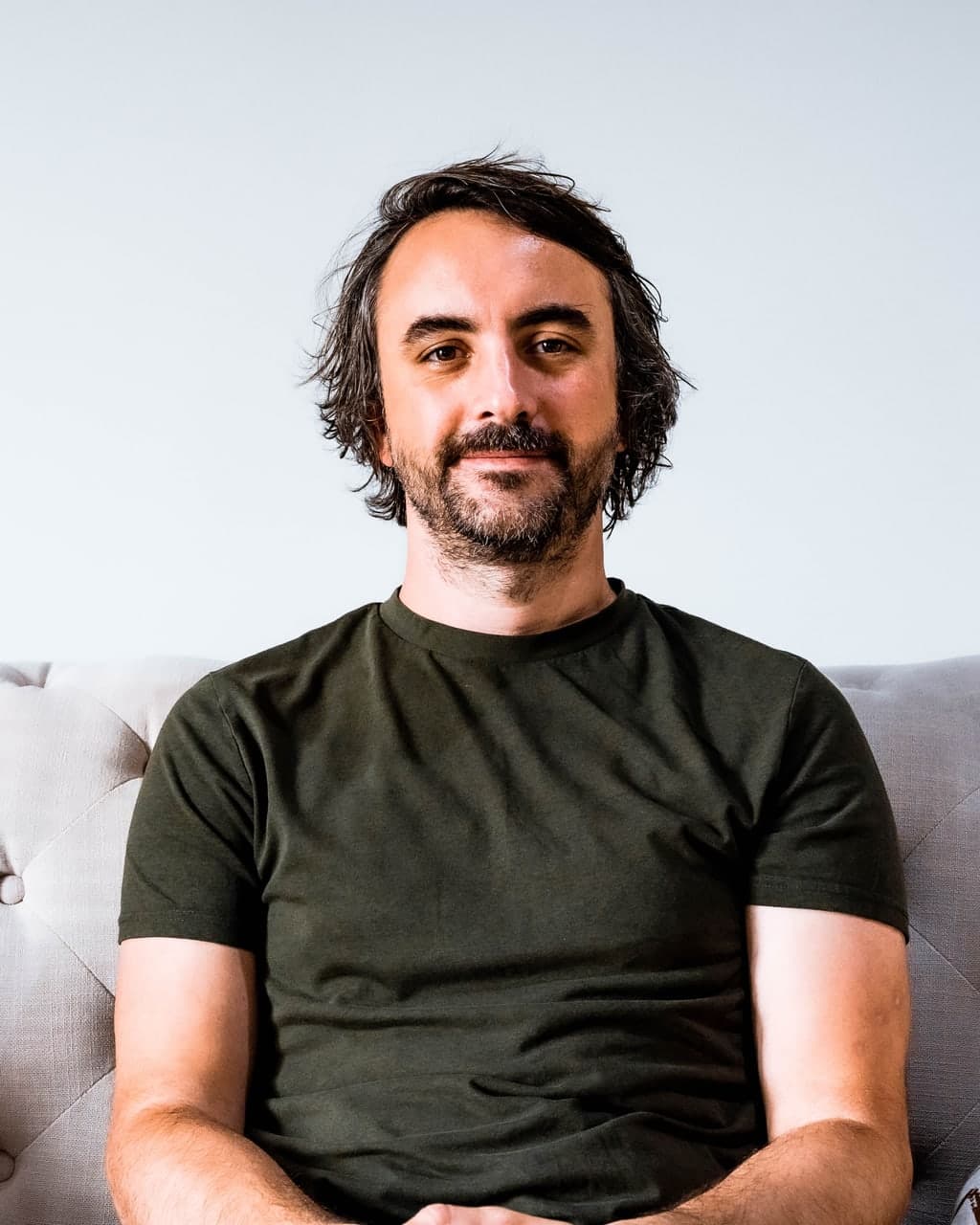
Amaury Lavoine
Article written by Amaury Lavoine, founder of Discus. He learns Swahili daily with a Kenyan teacher — it is this practice that guides every product decision.
About Discus →Related articles

German compound words: read from right to left
In German, the last element of a compound word carries the main meaning. Learn to segment, pronounce, and guess useful Komposita for everyday use.

Word order in German: V2 and subordinate clauses
Verb in 2nd position in main clauses, final verb with dass, weil, wenn: here are the essential diagrams of word order in German, with clear examples and pitfalls to avoid.

German prefix verbs: separable vs inseparable
Identify the separable prefixes (auf-, an-, mit-) and inseparable prefixes (be-, ver-, ge-) in German, the stress accent, and the position of the particle in the present, past, and perfect tenses.